Starting a new educational chapter can be daunting for any child. But for a child who has recently arrived in the UK as a refugee, or for a student navigating the world with Special Educational Needs (SEN), the classroom can sometimes feel like an overwhelming maze of barriers.
At the Tutor Interface, we believe that every child has a right to an education that sees them, values them, and meets them exactly where they are.
Whether we are supporting a student learning English as a second language or helping a neurodiverse learner find their unique rhythm, our approach is built on a simple foundation of making learning accessible, sensory, and safe.
Here is how we adapt our teaching and digital resources to unlock the potential of our most vulnerable learners—and how you can do the same at home or in your local community.
1. For Refugee and ESL Learners: Focus on Connection Before Curriculum
For children displaced by conflict or adjusting to a new country, language barrier is only part of the challenge. The primary goal of those first few weeks isn’t practicing grammar or memorising spelling, but nurturing a connection and joy of reading.
- Lead with Dignity: We avoid viewing refugee children through a lens of pity. Instead, we celebrate their resilience and bilingualism as strengths.
- The Power of Dual-Language Resources: We use visual storyboards and dual-language digital books. Allowing a child to read a story in their first language alongside English helps preserve their connection to their heritage while naturally building their English vocabulary. The Book Trust’s Book Start programme offers dual language books in over 30 languages.
- Speak in Plain Language: When explaining complex concepts, we strip away local idioms and academic jargon. We keep sentences short, use clear visual cues, and give students plenty of time to process and respond.
2. For SEN Learners: Tailoring the Environment and the Lesson
Neurodiverse students—including those with autism, ADHD, dyslexia, or sensory processing differences—do not need to change how they think to fit a rigid curriculum. Instead, we change how we deliver the information.
- Digital Accessibility First: Online learning tools should never be a source of frustration. We structure our digital learning resources using high-contrast colours, clear sans-serif fonts, and screen-reader-friendly formatting to assist children with dyslexia or visual impairments.
- Sensory-Friendly Learning: We break study sessions into short, highly interactive blocks. Utilizing coding platforms like Scratch allows neurodiverse children to learn logic, sequencing, and problem-solving through visual, hands-on play rather than dry text.
- Celebrating Alternative Paths: Reading comprehension isn’t just about looking at black ink on a white page. We actively signpost parents to incredible resources like the RNIB library for audiobooks, Libby for e-books, and encourage graphic novels and physical phonics games to keep reading fun and therapeutic.
Tips to Support Diverse Learners at Home
If you are a parent, carer, or volunteer supporting a child with learning differences or language barriers, try these three simple adjustments today:
- Create Visual Schedules: Use simple pictures or icons to show the order of activities. This reduces anxiety and helps children transition between tasks smoothly.
- Provide “Active Rest” Breaks: If a child is struggling to focus, don’t force them to sit still. A 2-minute stretch break or a quick sensory game can completely reset their cognitive load.
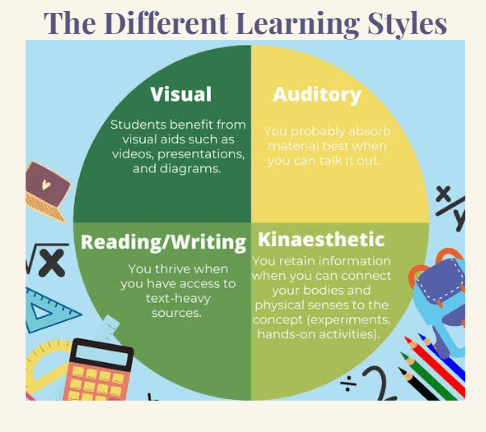
- Find the learning style for you: Some people are visual learners, others aural or kinaesthetic. Allow your child to engage with learning through different mediums and see what works best for them.
Every Child Deserves an Open Door
An accessible lesson plan is simply a lesson plan designed with empathy. When we remove physical, digital, and emotional barriers, we don’t just help a child pass an exam—we give them the confidence to explore, ask questions, and realize that their voice matters.
Do you have a child who would benefit from our tailored, inclusive tutoring programs? Contact us to learn more about our supportive learning pathways.

